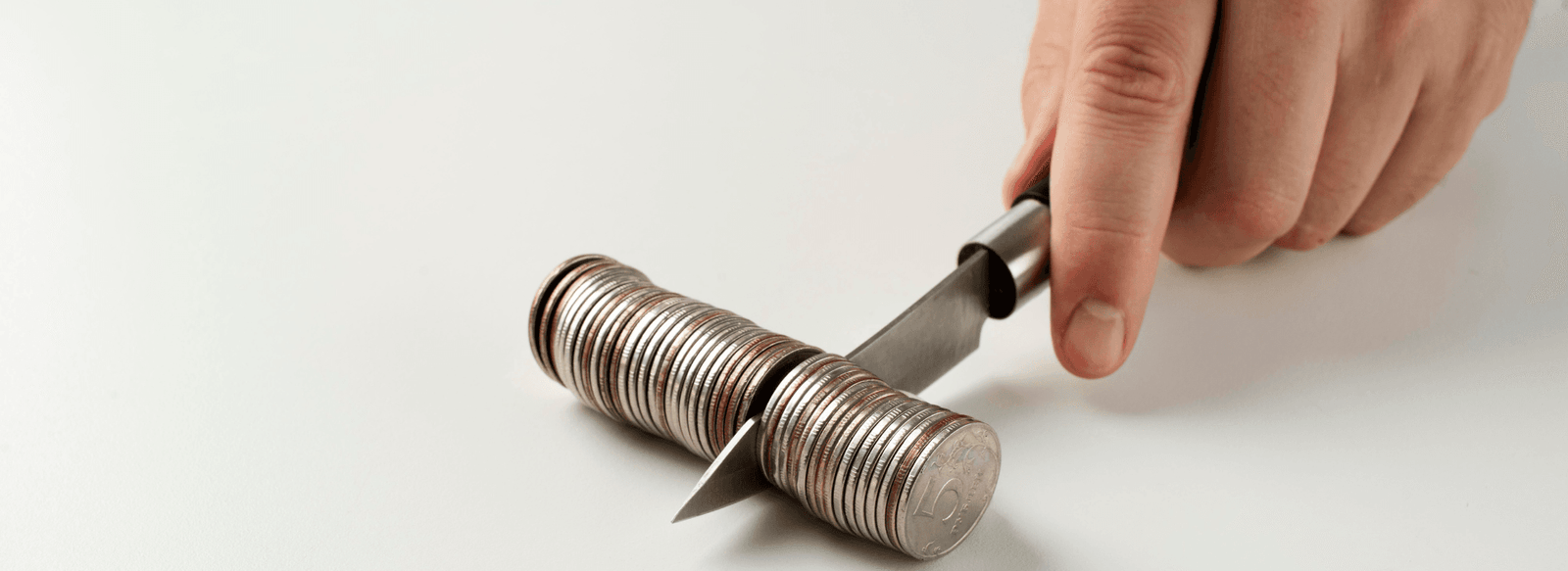
Holding cash during retirement seems sensible. After all, it provides a sense of security and easy access to funds for immediate or unexpected expenses. But too much cash can be problematic.
With inflation consistently eroding purchasing power and the missed opportunities of investing, retirees face a balancing act. The key question is: how much cash should you really hold in retirement, and how do you know when you have too much?
Firstly, let’s consider why retirees keep cash. Cash serves several critical roles, particularly when you’ve transitioned from building wealth to relying on it for income:
While having some cash is essential, determining the exact amount is less straightforward.
General financial guidance often suggests keeping between six months and two years of essential expenses in cash. However, the optimal amount depends on several personal factors:
Despite the benefits of cash, there are clear risks to holding too much:
How do you know if you’re holding too much cash? Here are some common indicators:
The goal in retirement is to find a sustainable balance. Here’s how you can manage cash effectively:
Step 1: define your essential expenses
Clearly identify your core expenses; housing, food, utilities, insurance, and health-related costs. Aim initially for 12–18 months of these expenses in cash.
Step 2: use a tiered approach
A tiered cash strategy often works best:
Step 3: regularly replenish and review
Instead of leaving cash idle, regularly review and replenish your cash reserve from your investment portfolio strategically. When markets perform well, consider using returns to top up cash buffers.
Step 4: integrate cash management with investment strategy
Align your cash strategy with your broader investment and income plan. Cash should complement, not undermine, your investment objectives.
While general guidelines provide helpful benchmarks, the optimal amount of cash differs significantly between individuals. A qualified financial adviser can help you:
Cash plays a critical role in retirement, providing flexibility, security and emotional reassurance.
However, holding too much cash can significantly impact your financial sustainability in retirement. Balancing immediate needs against longer-term inflation risks and missed investment opportunities is crucial.
A thoughtfully planned cash strategy, integrating immediate liquidity with growth-oriented investments, can help secure your financial independence throughout retirement.
At Pension Access, our personalised financial advice helps you strike the optimal balance, ensuring you have the right amount of cash on hand without sacrificing your financial future.
Whether you’re approaching retirement or already drawing from your pensions and investments, we will support you in making informed decisions that align with your retirement goals.
We can help you to make the best possible decisions when it comes to your pension.
Taking pension money early is not right for everyone as it will leave you worse off in retirement. Also, tax treatment depends on your circumstances and is subject to change. That’s why it makes sense to get help from a regulated specialist.